Menampilkan postingan yang diurutkan menurut tanggal untuk kueri multivitamins. Urutkan menurut relevansi Tampilkan semua postingan

Is Vitamin C An Antibiotic

Is Vitamin C An Antibiotic

Photo Courtesy: Flashpop/DigitalVision//Getty Images

Whether in the form of a fizzy drink or flavored lozenges, cold and flu preventative supplements almost always highlight vitamin C as one of their key ingredients. So, what's so magical about vitamin C? Also known as ascorbic acid, vitamin C is critical to living healthily. Since the human body cannot spontaneously generate this nutrient, vitamin C must instead be absorbed from outside sources, such as vitamin supplements or foods that are naturally rich in it.

Commonly found in cold and flu preventative supplements, vitamin C strengthens and speeds up immune system functionality. Though research does not indicate that vitamin C intake alone can prevent the onset of cold or flu, adequate daily intake may shorten the duration of an infection or lessen the severity of symptoms.

Photo Courtesy: Catherine Falls Commercial/Moment/Getty Images

Vitamin C is crucial for the maintenance of well being. For example, it plays a role in wound healing and helps maintain many essential body tissues. It also acts as a potent antioxidant and can repair damage from free radicals, which are linked to aging effects, and disease vulnerability. Additionally, vitamin C can also prevent anemia, since it helps the body increase absorption of dietary iron, another vital mineral that the body cannot spontaneously create.

Foods that contain high concentrations of vitamin C have been linked with a lower risk of cardiovascular disease, like heart attack and stroke. Vitamin C can also increase levels of nitric oxide, a compound that widens blood vessels and, in turn, lowers blood pressure. In addition, regular intake of vitamin C, along with other vitamins, has been linked to a decreased risk for developing age-related cataracts, a leading cause of visual impairment in the United States.

Common Sources of Vitamin C

Vitamin C can be easily obtained through the many different foods, including:
Photo Courtesy: Akaradech Pramoonsin/Moment/Getty Images
  • Citrus fruits and juices (orange, grapefruit, lemon, lime and tangerine)
  • Berries
  • Melons
  • Mangoes
  • Kiwi
  • Tomato
  • Broccoli
  • Red peppers
  • Spinach
  • Squash
  • Potatoes

Cooking these foods may result in the loss of some of the vitamin content, so it is ideal to ingest them raw, either whole or juiced. Nowadays, there are also numerous packaged food products, like cereals, that have been enriched and fortified with vitamin C, so that the nutrient can be easily obtained.

Vitamin C may also be labeled as "L-ascorbic acid" in supplement form, and most over-the-counter multivitamins contain the recommended daily amount of the vitamin. While it is a good source when an individual is in need of a vitamin C boost, supplements are not meant to replace a diet rich in naturally derived vitamin C.

What Happens When You Have Too Much — or Too Little — Vitamin C?

Vitamin C is a water-soluble vitamin that can be easily flushed out of the body via urination when it is not needed. Therefore, if the main source of vitamin C is from naturally occurring foods, it is near-impossible for excess vitamin C to produce side effects. However, taking excessive concentrated vitamin C supplements may lead to diarrhea or stomach upset.

Photo Courtesy: Violeta Stoimenova/E+/Getty Images

Since vitamin C-rich foods are so readily available nowadays, symptoms of inadequate vitamin C intake are also rare in the United States. However, malnourished individuals can experience symptoms of vitamin C deficiency over time, including:

  • Weakness
  • Fatigue
  • Anemia
  • Easy bruising
  • Joint pain
  • Skin breakdown
  • Weakened tooth enamel
  • Gum inflammation

Severe vitamin C deficiency is referred to as scurvy. Scurvy can be easily treated with increased dietary or supplemental vitamin C. Since vitamin C is crucial in the detoxification of the body, a lack of vitamin C can compromise the immune system and make an individual more susceptible to diseases and infections. Individuals with insufficient vitamin C may find that it takes longer than usual to recover from a cold or a physical wound.

Daily Dosage Recommendations:

The daily dosage recommendation for vitamin C is different for everyone, depending on factors such as gender, age, lifestyle and current health condition. The recommended daily dosage for vitamin C is at least 75 mg daily for women and 90 mg for men. Since people who are pregnant, breast feeding, smoking or using oral contraceptives have a lower blood level of vitamin C than others, larger doses of vitamin C may be needed to achieve optimal results in these individuals. Those who have prior or current medical conditions may also require bigger or smaller dosage levels, as recommended by their healthcare providers.

Resource Links:

  • "Vitamin C" via MedlinePlus
  • "Vitamin C and Infections" via MDPI
  • "Extra Dose of Vitamin C Based on a Daily Supplementation Shortens the Common Cold: A Meta-Analysis of 9 Randomized Controlled Trials" via Hindawi, BioMed Research International
  • "Vitamin C" via National Institutes of Health
  • "Scurvy" via U.S. Department of Health & Human Services, National Institutes of Health
  • "Dietary intake and blood concentrations of antioxidants and the risk of cardiovascular disease, total cancer, and all-cause mortality: a systematic review and dose-response meta-analysis of prospective studies" via The American Journal of Clinical Nutrition
  • "Dietary vitamin and carotenoid intake and risk of age-related cataract" via The American Journal of Clinical Nutrition
  • "Cardiovascular System" via Department of Anatomy, Seoul National University College of Medicine (via Springer)

MORE FROM SYMPTOMFIND.COM

Is Vitamin C An Antibiotic

Source: https://www.symptomfind.com/health/vitamin-c-everything-you-need-to-know?utm_content=params%3Ao%3D740013%26ad%3DdirN%26qo%3DserpIndex

Share:

Dr Murad Vitamin C

Dr Murad Vitamin C

Photo Courtesy: Flashpop/DigitalVision//Getty Images

Whether in the form of a fizzy drink or flavored lozenges, cold and flu preventative supplements almost always highlight vitamin C as one of their key ingredients. So, what's so magical about vitamin C? Also known as ascorbic acid, vitamin C is critical to living healthily. Since the human body cannot spontaneously generate this nutrient, vitamin C must instead be absorbed from outside sources, such as vitamin supplements or foods that are naturally rich in it.

Commonly found in cold and flu preventative supplements, vitamin C strengthens and speeds up immune system functionality. Though research does not indicate that vitamin C intake alone can prevent the onset of cold or flu, adequate daily intake may shorten the duration of an infection or lessen the severity of symptoms.

Photo Courtesy: Catherine Falls Commercial/Moment/Getty Images

Vitamin C is crucial for the maintenance of well being. For example, it plays a role in wound healing and helps maintain many essential body tissues. It also acts as a potent antioxidant and can repair damage from free radicals, which are linked to aging effects, and disease vulnerability. Additionally, vitamin C can also prevent anemia, since it helps the body increase absorption of dietary iron, another vital mineral that the body cannot spontaneously create.

Foods that contain high concentrations of vitamin C have been linked with a lower risk of cardiovascular disease, like heart attack and stroke. Vitamin C can also increase levels of nitric oxide, a compound that widens blood vessels and, in turn, lowers blood pressure. In addition, regular intake of vitamin C, along with other vitamins, has been linked to a decreased risk for developing age-related cataracts, a leading cause of visual impairment in the United States.

Common Sources of Vitamin C

Vitamin C can be easily obtained through the many different foods, including:

Photo Courtesy: Akaradech Pramoonsin/Moment/Getty Images
  • Citrus fruits and juices (orange, grapefruit, lemon, lime and tangerine)
  • Berries
  • Melons
  • Mangoes
  • Kiwi
  • Tomato
  • Broccoli
  • Red peppers
  • Spinach
  • Squash
  • Potatoes

Cooking these foods may result in the loss of some of the vitamin content, so it is ideal to ingest them raw, either whole or juiced. Nowadays, there are also numerous packaged food products, like cereals, that have been enriched and fortified with vitamin C, so that the nutrient can be easily obtained.

Vitamin C may also be labeled as "L-ascorbic acid" in supplement form, and most over-the-counter multivitamins contain the recommended daily amount of the vitamin. While it is a good source when an individual is in need of a vitamin C boost, supplements are not meant to replace a diet rich in naturally derived vitamin C.

What Happens When You Have Too Much — or Too Little — Vitamin C?

Vitamin C is a water-soluble vitamin that can be easily flushed out of the body via urination when it is not needed. Therefore, if the main source of vitamin C is from naturally occurring foods, it is near-impossible for excess vitamin C to produce side effects. However, taking excessive concentrated vitamin C supplements may lead to diarrhea or stomach upset.

Photo Courtesy: Violeta Stoimenova/E+/Getty Images

Since vitamin C-rich foods are so readily available nowadays, symptoms of inadequate vitamin C intake are also rare in the United States. However, malnourished individuals can experience symptoms of vitamin C deficiency over time, including:

  • Weakness
  • Fatigue
  • Anemia
  • Easy bruising
  • Joint pain
  • Skin breakdown
  • Weakened tooth enamel
  • Gum inflammation

Severe vitamin C deficiency is referred to as scurvy. Scurvy can be easily treated with increased dietary or supplemental vitamin C. Since vitamin C is crucial in the detoxification of the body, a lack of vitamin C can compromise the immune system and make an individual more susceptible to diseases and infections. Individuals with insufficient vitamin C may find that it takes longer than usual to recover from a cold or a physical wound.

Daily Dosage Recommendations:

The daily dosage recommendation for vitamin C is different for everyone, depending on factors such as gender, age, lifestyle and current health condition. The recommended daily dosage for vitamin C is at least 75 mg daily for women and 90 mg for men. Since people who are pregnant, breast feeding, smoking or using oral contraceptives have a lower blood level of vitamin C than others, larger doses of vitamin C may be needed to achieve optimal results in these individuals. Those who have prior or current medical conditions may also require bigger or smaller dosage levels, as recommended by their healthcare providers.

Resource Links:

  • "Vitamin C" via MedlinePlus
  • "Vitamin C and Infections" via MDPI
  • "Extra Dose of Vitamin C Based on a Daily Supplementation Shortens the Common Cold: A Meta-Analysis of 9 Randomized Controlled Trials" via Hindawi, BioMed Research International
  • "Vitamin C" via National Institutes of Health
  • "Scurvy" via U.S. Department of Health & Human Services, National Institutes of Health
  • "Dietary intake and blood concentrations of antioxidants and the risk of cardiovascular disease, total cancer, and all-cause mortality: a systematic review and dose-response meta-analysis of prospective studies" via The American Journal of Clinical Nutrition
  • "Dietary vitamin and carotenoid intake and risk of age-related cataract" via The American Journal of Clinical Nutrition
  • "Cardiovascular System" via Department of Anatomy, Seoul National University College of Medicine (via Springer)

MORE FROM SYMPTOMFIND.COM

Dr Murad Vitamin C

Source: https://www.symptomfind.com/health/vitamin-c-everything-you-need-to-know?utm_content=params%3Ao%3D740013%26ad%3DdirN%26qo%3DserpIndex

Share:

Daily Dose Vitamin C Mg

Daily Dose Vitamin C Mg

9ed95495-7055-46a9-b3e4-57cef5c1dd2b

Q.  I'm 79 years old and have been taking 3,000 mg of vitamin C a day for years. I'm now uneasy about taking this amount and plan to cut back to 1,000 mg daily. Is this the right vitamin c dose? Will my body be startled by the abrupt change?

A.  Cutting back on daily vitamin C is a wise decision. You've been taking much more vitamin C than you need.

Vitamin C, or ascorbic acid, plays a role in many vital functions, including metabolism and immunity. We can't make vitamin C in the body, so we need to get it from dietary sources. It's found in high concentrations in many fresh fruits and vegetables (see the chart); it's also available in most multivitamins and as a single-ingredient supplement.

Food sources of vitamin C

Food (serving size)

Vitamin C (mg)

Guava (1 medium)

165

Strawberries (1 cup)

98

Cantaloupe (¼ medium)

95

Papaya (1 medium)

95

Bell pepper, red, raw (½ cup)

95

Orange juice (¾ cup)

60

Kale (1 cup, cooked)

53

Broccoli (½ cup, cooked)

50

Bell pepper, green, raw (½ cup)

45

Tomato juice (1 cup)

45

Mango (1 medium)

30

Lemon juice (½ cup)

30

In large population studies, people who eat lots of fruits and vegetables high in vitamin C appear to have a reduced risk for various types of cancer, including cancers of the mouth, esophagus, stomach, colon, and lung. But it's not clear that these benefits come specifically from vitamin C. The Age-Related Eye Disease Study found that a daily supplement containing 500 milligrams (mg) of vitamin C, 400 international units (IU) of vitamin E, 15 mg of beta carotene, 80 mg of zinc, and 2 mg of copper can help slow the progression of macular degeneration, an age-related eye disease that causes vision loss. But we don't know what benefits, if any, are conferred by vitamin C in particular.

Many people take vitamin C supplements in unnecessarily high doses to prevent or treat various conditions for which its effectiveness is unproved. The vitamin C supplements have variously been touted for preventing cardiovascular disease and osteoarthritis, staving off sunburn, and improving the appearance of wrinkles. None of these purported benefits have been verified in scientific studies.

Perhaps the best-known and most widely promoted use of high-dose vitamin C is to prevent or treat the common cold. The bulk of the evidence shows that high-dose vitamin C will, at most, shorten a cold by one day. In ordinary circumstances, vitamin C appears to have no preventive value, although a few studies have reported a 50% reduced risk of developing colds among people taking vitamin C in extreme circumstances — for example, skiers, marathon runners, and soldiers working in sub-Arctic conditions.

The recommended vitamin C dosage per day for healthy women is 75 mg per day (120 mg per day for women who are pregnant or breastfeeding). For adults, the tolerable upper intake level (UL) — the highest daily intake likely to pose no risks — is 2,000 mg per day.

Vitamin C is water-soluble, so any excess is usually excreted in the urine rather than stored in the body. It's safe in almost any amount from foods, and supplements in recommended amounts are also regarded as safe for most people. In some people, high doses — more than, say, 2,000 or 3,000 mg per day — can cause symptoms such as diarrhea, nausea, heartburn, gastritis, fatigue, flushing, headache, and insomnia. People with chronic liver or kidney conditions, gout, or a history of calcium-oxalate kidney stones should take no more than 1,000 mg a day.

Image: czekma13/Getty Images

As a service to our readers, Harvard Health Publishing provides access to our library of archived content. Please note the date of last review or update on all articles. No content on this site, regardless of date, should ever be used as a substitute for direct medical advice from your doctor or other qualified clinician.

Daily Dose Vitamin C Mg

Source: https://www.health.harvard.edu/staying-healthy/by-the-way-doctor-whats-the-right-amount-of-vitamin-c-for-me

Share:

Lubex Anti Age Vitamin C

Lubex Anti Age Vitamin C

Everything You Need to Know About Vitamin C

Medically Reviewed by Madeline Hubbard, RN, BSN.

Photo Courtesy: Flashpop/DigitalVision//Getty Images

Whether in the form of a fizzy drink or flavored lozenges, cold and flu preventative supplements almost always highlight vitamin C as one of their key ingredients. So, what's so magical about vitamin C? Also known as ascorbic acid, vitamin C is critical to living healthily. Since the human body cannot spontaneously generate this nutrient, vitamin C must instead be absorbed from outside sources, such as vitamin supplements or foods that are naturally rich in it.

What Does Vitamin C Do?

Commonly found in cold and flu preventative supplements, vitamin C strengthens and speeds up immune system functionality. Though research does not indicate that vitamin C intake alone can prevent the onset of cold or flu, adequate daily intake may shorten the duration of an infection or lessen the severity of symptoms.

Photo Courtesy: Catherine Falls Commercial/Moment/Getty Images

Vitamin C is crucial for the maintenance of well being. For example, it plays a role in wound healing and helps maintain many essential body tissues. It also acts as a potent antioxidant and can repair damage from free radicals, which are linked to aging effects, and disease vulnerability. Additionally, vitamin C can also prevent anemia, since it helps the body increase absorption of dietary iron, another vital mineral that the body cannot spontaneously create.

Foods that contain high concentrations of vitamin C have been linked with a lower risk of cardiovascular disease, like heart attack and stroke. Vitamin C can also increase levels of nitric oxide, a compound that widens blood vessels and, in turn, lowers blood pressure. In addition, regular intake of vitamin C, along with other vitamins, has been linked to a decreased risk for developing age-related cataracts, a leading cause of visual impairment in the United States.

Common Sources of Vitamin C

Vitamin C can be easily obtained through the many different foods, including:

Photo Courtesy: Akaradech Pramoonsin/Moment/Getty Images

  • Citrus fruits and juices (orange, grapefruit, lemon, lime and tangerine)
  • Berries
  • Melons
  • Mangoes
  • Kiwi
  • Tomato
  • Broccoli
  • Red peppers
  • Spinach
  • Squash
  • Potatoes

Cooking these foods may result in the loss of some of the vitamin content, so it is ideal to ingest them raw, either whole or juiced. Nowadays, there are also numerous packaged food products, like cereals, that have been enriched and fortified with vitamin C, so that the nutrient can be easily obtained.

Vitamin C may also be labeled as "L-ascorbic acid" in supplement form, and most over-the-counter multivitamins contain the recommended daily amount of the vitamin. While it is a good source when an individual is in need of a vitamin C boost, supplements are not meant to replace a diet rich in naturally derived vitamin C.

What Happens When You Have Too Much — or Too Little — Vitamin C?

Vitamin C is a water-soluble vitamin that can be easily flushed out of the body via urination when it is not needed. Therefore, if the main source of vitamin C is from naturally occurring foods, it is near-impossible for excess vitamin C to produce side effects. However, taking excessive concentrated vitamin C supplements may lead to diarrhea or stomach upset.

Photo Courtesy: Violeta Stoimenova/E+/Getty Images

Since vitamin C-rich foods are so readily available nowadays, symptoms of inadequate vitamin C intake are also rare in the United States. However, malnourished individuals can experience symptoms of vitamin C deficiency over time, including:

  • Weakness
  • Fatigue
  • Anemia
  • Easy bruising
  • Joint pain
  • Skin breakdown
  • Weakened tooth enamel
  • Gum inflammation

Severe vitamin C deficiency is referred to as scurvy. Scurvy can be easily treated with increased dietary or supplemental vitamin C. Since vitamin C is crucial in the detoxification of the body, a lack of vitamin C can compromise the immune system and make an individual more susceptible to diseases and infections. Individuals with insufficient vitamin C may find that it takes longer than usual to recover from a cold or a physical wound.

Daily Dosage Recommendations:

The daily dosage recommendation for vitamin C is different for everyone, depending on factors such as gender, age, lifestyle and current health condition. The recommended daily dosage for vitamin C is at least 75 mg daily for women and 90 mg for men. Since people who are pregnant, breast feeding, smoking or using oral contraceptives have a lower blood level of vitamin C than others, larger doses of vitamin C may be needed to achieve optimal results in these individuals. Those who have prior or current medical conditions may also require bigger or smaller dosage levels, as recommended by their healthcare providers.

Resource Links:

  • "Vitamin C" via MedlinePlus
  • "Vitamin C and Infections" via MDPI
  • "Extra Dose of Vitamin C Based on a Daily Supplementation Shortens the Common Cold: A Meta-Analysis of 9 Randomized Controlled Trials" via Hindawi, BioMed Research International
  • "Vitamin C" via National Institutes of Health
  • "Scurvy" via U.S. Department of Health & Human Services, National Institutes of Health
  • "Dietary intake and blood concentrations of antioxidants and the risk of cardiovascular disease, total cancer, and all-cause mortality: a systematic review and dose-response meta-analysis of prospective studies" via The American Journal of Clinical Nutrition
  • "Dietary vitamin and carotenoid intake and risk of age-related cataract" via The American Journal of Clinical Nutrition
  • "Cardiovascular System" via Department of Anatomy, Seoul National University College of Medicine (via Springer)

More From SymptomFind.com

Lubex Anti Age Vitamin C

Source: https://www.symptomfind.com/health/vitamin-c-everything-you-need-to-know?utm_content=params%3Ao%3D740013%26ad%3DdirN%26qo%3DserpIndex

Share:

Max Daily Vitamin C

Max Daily Vitamin C

A woman discussing supplements with a pharmacist.

For information on vitamin C and COVID-19, see Dietary Supplements in the Time of COVID-19.

What is vitamin C and what does it do?

Vitamin C, also known as ascorbic acid, is a water-soluble nutrient found in some foods. In the body, it acts as an antioxidant, helping to protect cells from the damage caused by free radicals. Free radicals are compounds formed when our bodies convert the food we eat into energy. People are also exposed to free radicals in the environment from cigarette smoke, air pollution, and ultraviolet light from the sun.

The body also needs vitamin C to make collagen, a protein required to help wounds heal. In addition, vitamin C improves the absorption of iron from plant-based foods and helps the immune system work properly to protect the body from disease.

How much vitamin C do I need?

The amount of vitamin C you need each day depends on your age. Average daily recommended amounts for different ages are listed below in milligrams (mg).

Life Stage Recommended Amount
Birth to 6 months 40 mg
Infants 7–12 months 50 mg
Children 1–3 years 15 mg
Children 4–8 years 25 mg
Children 9–13 years 45 mg
Teens 14–18 years (boys) 75 mg
Teens 14–18 years (girls) 65 mg
Adults (men) 90 mg
Adults (women) 75 mg
Pregnant teens 80 mg
Pregnant women 85 mg
Breastfeeding teens 115 mg
Breastfeeding women 120 mg

If you smoke, add 35 mg to the above values to calculate your total daily recommended amount.

What foods provide vitamin C?

Fruits and vegetables are the best sources of vitamin C. You can get recommended amounts of vitamin C by eating a variety of foods including the following:

  • Citrus fruits (such as oranges and grapefruit) and their juices, as well as red and green pepper and kiwifruit, which have a lot of vitamin C.
  • Other fruits and vegetables—such as broccoli, strawberries, cantaloupe, baked potatoes, and tomatoes—which also have vitamin C.
  • Some foods and beverages that are fortified with vitamin C. To find out if vitamin C has been added to a food product, check the product labels.

The vitamin C content of food may be reduced by prolonged storage and by cooking. Steaming or microwaving may lessen cooking losses. Fortunately, many of the best food sources of vitamin C, such as fruits and vegetables, are usually eaten raw.

What kinds of vitamin C dietary supplements are available?

Most multivitamins have vitamin C. Vitamin C is also available alone as a dietary supplement or in combination with other nutrients. The vitamin C in dietary supplements is usually in the form of ascorbic acid, but some supplements have other forms, such as sodium ascorbate, calcium ascorbate, other mineral ascorbates, and ascorbic acid with bioflavonoids. Research has not shown that any form of vitamin C is better than the other forms.

Am I getting enough vitamin C?

Most people in the United States get enough vitamin C from foods and beverages. However, certain groups of people are more likely than others to have trouble getting enough vitamin C:

  • People who smoke and those who are exposed to secondhand smoke, in part because smoke increases the amount of vitamin C that the body needs to repair damage caused by free radicals. People who smoke need 35 mg more vitamin C per day than nonsmokers.
  • Infants who are fed evaporated or boiled cow's milk, because cow's milk has very little vitamin C and heat can destroy vitamin C. Cow's milk is not recommended for infants under 1 year of age. Breast milk and infant formula have adequate amounts of vitamin C.
  • People who eat a very limited variety of food.
  • People with certain medical conditions such as severe malabsorption, some types of cancer, and kidney disease requiring hemodialysis.

What happens if I don't get enough vitamin C?

Vitamin C deficiency is rare in the United States and Canada. People who get little or no vitamin C (below about 10 mg per day) for many weeks can get scurvy. Scurvy causes fatigue, inflammation of the gums, small red or purple spots on the skin, joint pain, poor wound healing, and corkscrew hairs. Additional signs of scurvy include depression as well as swollen, bleeding gums and loosening or loss of teeth. People with scurvy can also develop anemia. Scurvy is fatal if it is not treated.

What are some effects of vitamin C on health?

Scientists are studying vitamin C to understand how it affects health. Here are several examples of what this research has shown.

Cancer prevention and treatment

People with high intakes of vitamin C from fruits and vegetables might have a lower risk of getting many types of cancer, such as lung, breast, and colon cancer. However, taking vitamin C supplements, with or without other antioxidants, doesn't seem to protect people from getting cancer.

It is not clear whether taking high doses of vitamin C is helpful as a treatment for cancer. Vitamin C's effects appear to depend on how it is administered to the patient. Oral doses of vitamin C can't raise blood levels of vitamin C nearly as high as intravenous doses given through injections. A few studies in animals and test tubes indicate that very high blood levels of vitamin C might shrink tumors. But more research is needed to determine whether high-dose intravenous vitamin C helps treat cancer in people.

Vitamin C dietary supplements and other antioxidants might interact with chemotherapy and radiation therapy for cancer. People being treated for cancer should talk with their oncologist before taking vitamin C or other antioxidant supplements, especially in high doses.

Cardiovascular disease

People who eat lots of fruits and vegetables seem to have a lower risk of cardiovascular disease. Researchers believe that the antioxidant content of these foods might be partly responsible for this association because oxidative damage is a major cause of cardiovascular disease. However, scientists aren't sure whether vitamin C itself, either from food or supplements, helps protect people from cardiovascular disease. It is also not clear whether vitamin C helps prevent cardiovascular disease from getting worse in people who already have it.

Age-related macular degeneration (AMD) and cataracts

AMD and cataracts are two of the leading causes of vision loss in older people. Researchers do not believe that vitamin C and other antioxidants affect the risk of getting AMD. However, research suggests that vitamin C combined with other nutrients might help slow AMD progression.

In a large study among older people with AMD who were at high risk of developing advanced AMD, those who took a daily dietary supplement with 500 mg vitamin C, 80 mg zinc, 400 IU vitamin E, 15 mg beta-carotene, and 2 mg copper for about 6 years had a lower chance of developing advanced AMD. They also had less vision loss than those who did not take the dietary supplement. People who have or are developing the disease might want to talk with their doctor about taking dietary supplements.

The relationship between vitamin C and cataract formation is unclear. Some studies show that people who get more vitamin C from foods have a lower risk of getting cataracts. But further research is needed to clarify this association and to determine whether vitamin C supplements affect the risk of getting cataracts.

The common cold

Although vitamin C has long been a popular remedy for the common cold, research shows that for most people, vitamin C supplements do not reduce the risk of getting the common cold. However, people who take vitamin C supplements regularly might have slightly shorter colds or somewhat milder symptoms when they do have a cold. Using vitamin C supplements after cold symptoms start does not appear to be helpful.

Can vitamin C be harmful?

Taking too much vitamin C can cause diarrhea, nausea, and stomach cramps. In people with a condition called hemochromatosis, which causes the body to store too much iron, high doses of vitamin C could worsen iron overload and damage body tissues.

The daily upper limits for vitamin C include intakes from all sources—food, beverages, and supplements—and are listed below:

Life Stage Upper Limit
Birth to 12 months Not established
Children 1–3 years 400 mg
Children 4–8 years 650 mg
Children 9–13 years 1,200 mg
Teens 14–18 years 1,800 mg
Adults 2,000 mg

Does vitamin C interact with medications or other dietary supplements?

Vitamin C dietary supplements can interact or interfere with medicines that you take. Here are several examples:

  • Vitamin C dietary supplements might interact with cancer treatments, such as chemotherapy and radiation therapy. It is not clear whether vitamin C might have the unwanted effect of protecting tumor cells from cancer treatments or whether it might help protect normal tissues from getting damaged. If you are being treated for cancer, check with your healthcare provider before taking vitamin C or other antioxidant supplements, especially in high doses.
  • In one study, vitamin C plus other antioxidants (such as vitamin E, selenium, and beta-carotene) reduced the heart-protective effects of two drugs taken in combination (a statin and niacin) to control blood-cholesterol levels. It is not known whether this interaction also occurs with other statins. Healthcare providers should monitor lipid levels in people taking both statins and antioxidant supplements.

Tell your doctor, pharmacist, and other healthcare providers about any dietary supplements and medicines you take. They can tell you if those dietary supplements might interact or interfere with your prescription or over-the-counter medicines or if the medicines might interfere with how your body absorbs, uses, or breaks down nutrients.

Vitamin C and healthful eating

People should get most of their nutrients from food and beverages, according to the federal government's Dietary Guidelines for Americans. Foods contain vitamins, minerals, dietary fiber and other components that benefit health. In some cases, fortified foods and dietary supplements are useful when it is not possible to meet needs for one or more nutrients (e.g., during specific life stages such as pregnancy). For more information about building a healthy dietary pattern, see the Dietary Guidelines for Americans external link disclaimer and the U.S. Department of Agriculture's MyPlate.external link disclaimer
Where can I find out more about vitamin C?

Disclaimer

This fact sheet by the Office of Dietary Supplements (ODS) provides information that should not take the place of medical advice. We encourage you to talk to your healthcare providers (doctor, registered dietitian, pharmacist, etc.) about your interest in, questions about, or use of dietary supplements and what may be best for your overall health. Any mention in this publication of a specific product or service, or recommendation from an organization or professional society, does not represent an endorsement by ODS of that product, service, or expert advice.

Max Daily Vitamin C

Source: https://ods.od.nih.gov/factsheets/VitaminC-Consumer/

Share:

Best Vitamin A Supplement To Take - Vitamin A During Pregnancy: Limits, Foods, How Much to ... / You can take vitamins b and c with water during a fasting period.

Best Vitamin A Supplement To Take - Vitamin A During Pregnancy: Limits, Foods, How Much to ... / You can take vitamins b and c with water during a fasting period.. Vitamin a is essential for feeling your best. Tuna, mackerel, beef liver, cheese, egg yolks are rich in vitamin d. Due to our eating habits, the quality as well as the nutrients that. Vitamin a is key for good vision, a healthy immune system, and cell growth. I take a lot of vitamins and supplements.

I understand taking supplements can become a complicated chore, especially if you're taking a complex multivitamin or several different supplements at once. Timing is everything when it comes to taking your vitamins and supplements, so we've put. Taking a vitamin supplement to cover your nutritional bases? You'll also avoid the upset stomach that you can get when. The definition of a supplement is something that completes or enhances something else when added to it. surveys show that more than half of all americans take some form of vitamin supplement almost daily, but what are the best supplements to take for health?

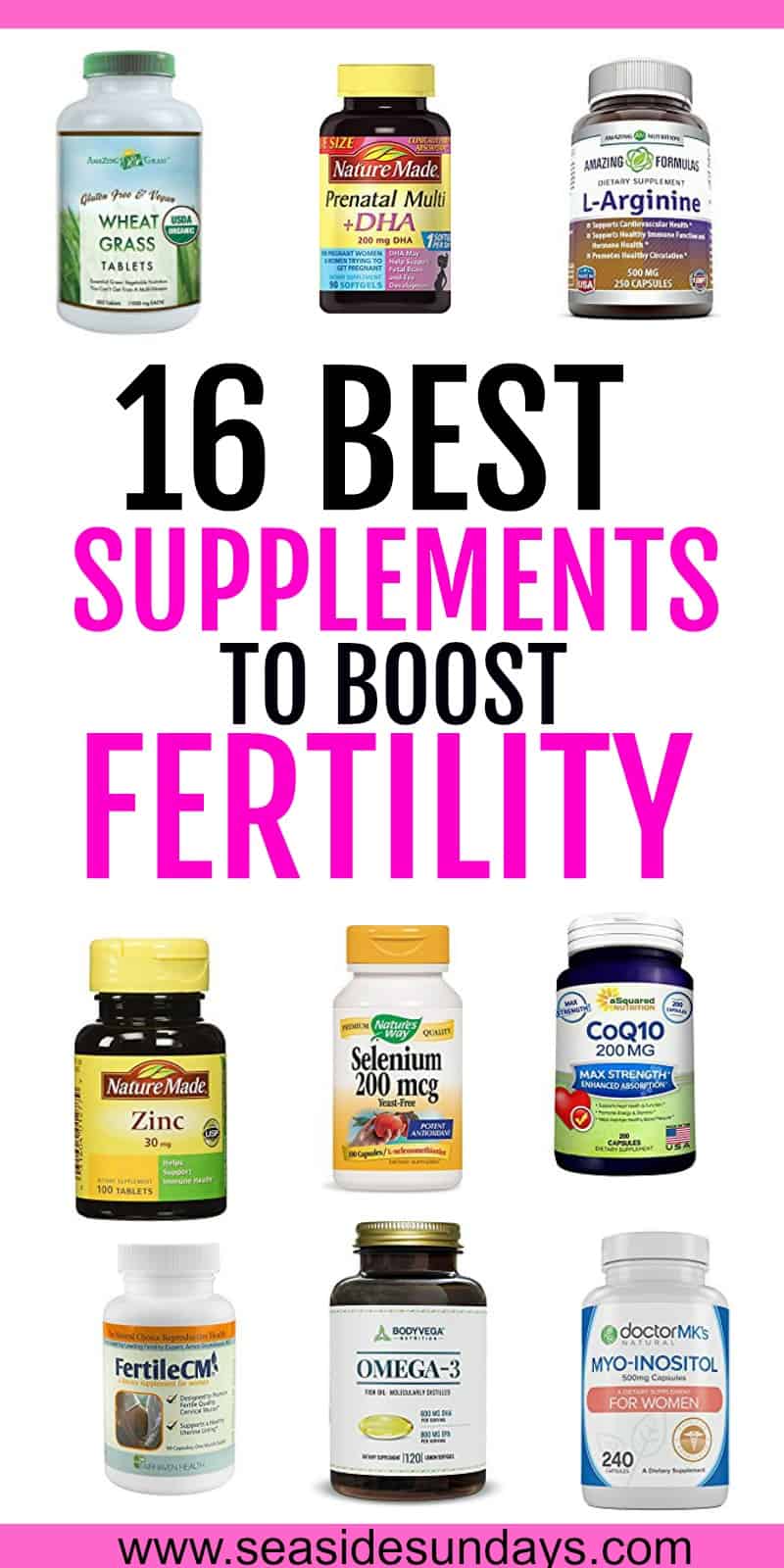
The Best Fertility Vitamins & Supplements To Boost Your ...
The Best Fertility Vitamins & Supplements To Boost Your ... from seasidesundays.com
But this infographic shows that time of day is a huge factor in optimizing these ingredients' effectiveness. By kaitlin ahern updated september 17, 2020. Good sources of vitamin a (retinol) include if you take supplements containing vitamin a, make sure your daily intake from food and supplements does not exceed 1.5 mg (1,500 µg). Vitamins and minerals are essential to any diet, and research suggests they may help prevent true iron deficiency is unusual, but you may need a supplement if you're anemic, or your doctor might and as always, you're better off getting vitamins through a varied diet with plenty of fresh produce. To boost your calcium intake eat cheese, yogurt, milk, figs. People who are anemic and have low levels of vitamin a might need to take iron along with a vitamin a supplement to treat this condition. Multivitamins are supplements that contain many different vitamins and minerals, sometimes alongside other ingredients (3). If you're looking for the best vitamin a supplements to buy this year, then you've come to the right place.

Additionally, many vitamins and other supplements simply degrade and lose effectiveness when exposed to excessive heat, light, oxygen in the air, or humidity during.

Dietary supplements are a general term that includes vitamins, minerals, botanicals, probiotics and other products to supplement the diet. In this article on the best supplements to take, we will review: If you're curious about why you might need to take extra vitamin a. A portion of the adults aged 71 years or older and children younger than 9 are more likely than members of other age groups to take supplements containing vitamin a. How to determine if a vitamin or supplement is actually right for you. If you're taking these supplements, then you have to combine them with real it's best to take it around your workouts and with food. Supplements can also cause problems if you have. While it is possible to take too many vitamins, it's extremely rare. If you have a nutrient deficiency, it's best to supplement with that specific nutrient. Others will break your fast, so save them for your eating window. What makes a supplement bad or good in the first place. Some supplements may have side effects, especially if taken before surgery or with other medicines. Vitamin a is essential for feeling your best.

Vitamin a is key for good vision, a healthy immune system, and cell growth. I take a lot of vitamins and supplements. This article takes a detailed look at the health effects of multivitamins. The 15 best vitamins for women—and the foods and supplements you need to get them in your diet. Taking a vitamin supplement to cover your nutritional bases?

The 15 Best Probiotics Supplements Reviews 2020
The 15 Best Probiotics Supplements Reviews 2020 from www.skinnylabb.com
Some supplements may have side effects, especially if taken before surgery or with other medicines. Multivitamins are supplements that contain many different vitamins and minerals, sometimes alongside other ingredients (3). People who are anemic and have low levels of vitamin a might need to take iron along with a vitamin a supplement to treat this condition. When people choose to take their daily doses of vitamins and supplements is likely governed more by convenience than anything else. Others will break your fast, so save them for your eating window. Vitamin a plays a you should consult your doctor before considering taking a vitamin a supplement. Will that cause any problems with the medicines you prescribe to me? This article takes a detailed look at the health effects of multivitamins.

Find out how and when to take it so your body gets the most from it.

If you have a nutrient deficiency, it's best to supplement with that specific nutrient. But now, let's take a quick look at the abcs of vitamins that promote muscle. Vitamins and minerals are essential to any diet, and research suggests they may help prevent true iron deficiency is unusual, but you may need a supplement if you're anemic, or your doctor might and as always, you're better off getting vitamins through a varied diet with plenty of fresh produce. Also avoid taking supplements that contain vitamin a. Due to our eating habits, the quality as well as the nutrients that. What makes a supplement bad or good in the first place. Multivitamins are supplements that contain many different vitamins and minerals, sometimes alongside other ingredients (3). Will that cause any problems with the medicines you prescribe to me? Additionally, many vitamins and other supplements simply degrade and lose effectiveness when exposed to excessive heat, light, oxygen in the air, or humidity during. Vitamin a supplementation alone, or in combination with other antioxidants, is associated with an increased however, a doctor might suggest vitamin a supplements to people who have vitamin a deficiencies. How to determine if a vitamin or supplement is actually right for you. Curious which vitamins and supplements might work for you? Tuna, mackerel, beef liver, cheese, egg yolks are rich in vitamin d.

Some safe supplements to take while fasting. Also avoid taking supplements that contain vitamin a. If you're looking for the best vitamin a supplements to buy this year, then you've come to the right place. It's hard to say what the best ones are because it depends on your body's particular needs, although there are i think a basic standard would be to take a quality multi vitamin mineral supplement. Vitamin a is essential for feeling your best.

6 Best Natural Vitamin Supplements for Hair Loss ...
6 Best Natural Vitamin Supplements for Hair Loss ... from cdn.makeupandbeauty.com
One should be careful with fat soluble vitamins like vitamin a, d, e and k. You'll also avoid the upset stomach that you can get when. How often did your mom tell you to take your vitamins! when you were a kid, while shoving a bottle of flintstones' gummies in your face? Additionally, many vitamins and other supplements simply degrade and lose effectiveness when exposed to excessive heat, light, oxygen in the air, or humidity during. The good news is that vitamin c is in so many foods that most people don't need to take a vitamin c supplement unless a doctor advises it. Taking vitamin a during pregnancy seems to reduce nightblindness by 37% in malnourished women. Here, we'll cover everything you need to know to find the best vitamins and supplements, from primers on the. I understand taking supplements can become a complicated chore, especially if you're taking a complex multivitamin or several different supplements at once.

Vitamins and minerals are essential to any diet, and research suggests they may help prevent true iron deficiency is unusual, but you may need a supplement if you're anemic, or your doctor might and as always, you're better off getting vitamins through a varied diet with plenty of fresh produce.

I take a lot of vitamins and supplements. While it is possible to take too many vitamins, it's extremely rare. If you're taking these supplements, then you have to combine them with real it's best to take it around your workouts and with food. Speak to your gp or midwife if you would like more. I understand taking supplements can become a complicated chore, especially if you're taking a complex multivitamin or several different supplements at once. One should be careful with fat soluble vitamins like vitamin a, d, e and k. The definition of a supplement is something that completes or enhances something else when added to it. surveys show that more than half of all americans take some form of vitamin supplement almost daily, but what are the best supplements to take for health? Good sources of vitamin a (retinol) include if you take supplements containing vitamin a, make sure your daily intake from food and supplements does not exceed 1.5 mg (1,500 µg). If your gut isn't healthy, your body can't absorb nutrients, so it doesn't matter what supplements you take, says nutritionist jonny bowden, author of. Tuna, mackerel, beef liver, cheese, egg yolks are rich in vitamin d. Will that cause any problems with the medicines you prescribe to me? Curious which vitamins and supplements might work for you? You can take vitamins b and c with water during a fasting period.

They are vitamin a, vitamin d, vitamin e, and vitamin k best vitamin a supplement. Vitamins are best when they come from food, versus a dietary supplement, so by eating real, unprocessed whole foods in your diet, you're getting the best of these vitamins.
Share:
banner